Gastroparesis
What is gastroparesis?
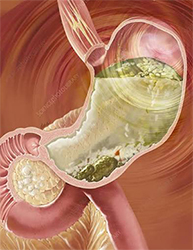
Gastroparesis is a condition in which the stomach empties more slowly than normal, despite there being no physical blockage. The stomach's normal muscular contractions become impaired, meaning food can remain in the stomach for many hours before moving into the small intestine.
This delayed emptying can lead to troublesome digestive symptoms that affect nutrition, quality of life and day-to-day activities.
While gastroparesis can be frustrating to live with, many people improve with the right combination of dietary advice, medication and, in selected cases, surgery or other specialist interventions.
What causes gastroparesis?
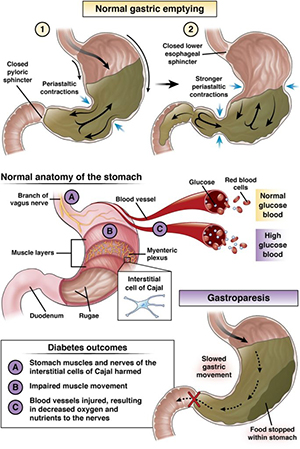
There are many possible causes of gastroparesis. Some of the more common include:
- Diabetes
- Previous surgery involving the stomach or oesophagus especially hiatus hernia surgery or fundoplication
- Viral infections affecting the stomach's nerves
- Certain medications (particularly opioid pain medication and some GLP-1 weight loss medications)
- Neurological disorders such as Parkinson's disease
- Connective tissue disorders
- Idiopathic gastroparesis (where no clear cause is identified)
In many patients, the underlying cause is never definitively established.
What are the symptoms?
Symptoms vary from person to person and may include:
- Feeling full after only a few mouthfuls of food
- Persistent nausea
- Vomiting undigested food
- Upper abdominal bloating
- Abdominal discomfort or pain
- Loss of appetite
- Weight loss
- Difficulty maintaining adequate nutrition
- Reflux and regurgitation
Symptoms often fluctuate and can worsen after larger meals.
How is gastroparesis diagnosed?
Because many other conditions can produce similar symptoms, careful assessment is important.
A type of scan called a Gastric Emptying Study remains the standard test for confirming delayed stomach emptying. A Gastric Emptying Study is a specialised nuclear medicine scan that measures how quickly food leaves the stomach. During the test, you eat a small meal containing a tiny, safe amount of radioactive tracer, allowing a special camera to track the movement of food through your stomach over several hours. The test is painless, non-invasive and provides an objective measurement of stomach emptying. It is considered the gold standard investigation for confirming gastroparesis and can also help determine the severity of delayed gastric emptying, guiding decisions about the most appropriate treatment.
Other Investigations may include:
- Upper endoscopy (gastroscopy)
- CT scan or MRI when appropriate
- Blood tests
- Wireless motility capsule or specialised motility testing in selected patients
How is gastroparesis treated?
Treatment depends on the severity of symptoms and the underlying cause. Management is often an escalating regimen of dietary modification, prokinetic medication, and surgical intervention:
Dietary Modification:
Many patients improve with dietary modification, including:
- Smaller, more frequent meals
- Softer or liquid foods
- Reducing high-fat meals
- Limiting foods high in insoluble fibre
Prokinetic medications (improve stomach emptying)
Metoclopramide (Maxolon®)
- The most commonly prescribed first-line medication.
- Improves stomach contractions and also reduces nausea.
- Usually prescribed for short-term use because of the risk of neurological side effects, including tardive dyskinesia (rare but potentially irreversible), particularly with prolonged treatment.
Domperidone (Motilium®)
- Similar to metoclopramide but does not readily cross the blood-brain barrier, so neurological side effects are less common.
- May prolong the QT interval and increase the risk of cardiac arrhythmias in susceptible patients, so ECG assessment may be appropriate.
- Availability in Australia is more restricted than in the past.
Erythromycin
- An antibiotic that also acts as a motilin receptor agonist, stimulating strong gastric contractions.
- Can be remarkably effective, particularly in acute exacerbations or in hospital.
- Unfortunately, its effectiveness often diminishes after several weeks (tachyphylaxis), making it less useful as a long-term treatment.
Prucalopride (Resotrans®)
- A selective 5-HT4 receptor agonist approved in Australia for chronic constipation.
- Increasing evidence suggests it may improve gastric emptying and symptoms in some patients with gastroparesis, although this is generally an off-label use.
For patients with diabetes, improving blood glucose control is an important part of treatment.
When is surgery considered?
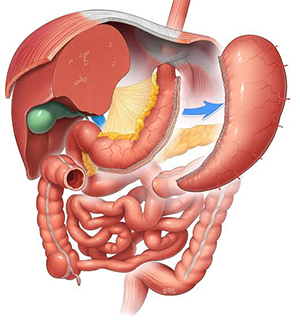
Most patients do not require surgery.
However, for carefully selected patients whose symptoms remain severe despite medical treatment, surgical or procedural options may provide significant benefit.
Depending on the individual situation these may include:
- Gastric peroral endoscopic myotomy (G-POEM)
- Laparoscopic pyloroplasty to open the sphincter valve at the bottom of the stomach
- Laparoscopic tubular gastrectomy to raise gastric pressures and mechanically improve emptying
- Gastric electrical stimulation in selected cases
- Feeding tube placement for severe nutritional compromise
- Other reconstructive procedures including gastric bypass in highly selected patients
Choosing the right treatment requires careful assessment, as no single procedure is appropriate for every patient.
My approach
Gastroparesis is often a complex condition that requires an individualised approach.
My role is to determine whether your symptoms are genuinely due to delayed gastric emptying, identify any underlying cause, and discuss all appropriate treatment options. Many patients benefit from a multidisciplinary approach involving gastroenterologists, dietitians, endocrinologists and, when appropriate, surgical intervention.
If surgery is being considered, careful patient selection is critical to achieving the best possible outcome.
Frequently Asked Questions
Is gastroparesis the same as a blockage?
No. In gastroparesis, the stomach empties slowly because its muscular function is impaired. There is no physical obstruction preventing food from leaving the stomach.
Can gastroparesis be cured?
Some cases improve over time, particularly if caused by a temporary illness or medication. Others are long-term conditions that can usually be managed effectively with a combination of dietary changes, medications and, in selected patients, procedural or surgical treatment.
Does everyone with delayed gastric emptying need surgery?
No. The majority of patients are managed successfully without surgery. Surgical treatment is reserved for carefully selected patients whose symptoms remain severe despite appropriate medical therapy.
Can a sleeve gastrectomy improve gastric emptying?
Interestingly one of the side effects of a sleeve gastrectomy is an increase in the rate of gastric emptying. There have been quite a few studies published which demonstrated improvement in gastroparesis symptoms after sleeve gastrectomy.
Arrange a Consultation
If you have persistent nausea, vomiting, early fullness, bloating or have been diagnosed with gastroparesis, I would be happy to assess your condition, review any previous investigations, and discuss whether further testing or treatment may be appropriate.