Small Intestine Conditions
What is the Small Intestine?
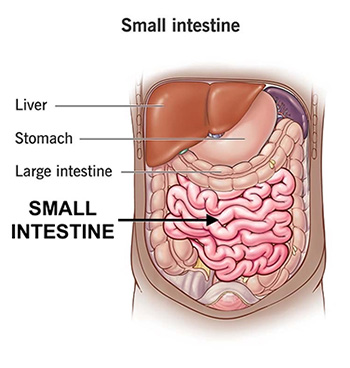
The small intestine is a long tube approximately six metres in length that connects the stomach to the large intestine (colon).
It is divided into three sections:
- Duodenum – approximately 25–30 cm long
- Jejunum – approximately 300 cm long
- Ileum – approximately 300 cm long
The small intestine is responsible for digesting food and absorbing nutrients, vitamins, minerals and water. Although it is the longest part of the digestive tract, diseases of the small intestine are relatively uncommon compared with conditions affecting the stomach, gallbladder or colon.
What Conditions Affect the Small Intestine?
A wide variety of conditions can affect the small intestine. Some are inflammatory, some are congenital, whilst others may require surgical treatment.
Small Bowel Obstruction
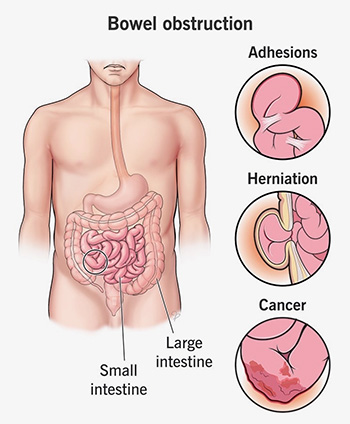
Small bowel obstruction occurs when the passage of food and digestive fluids through the intestine becomes blocked.
Common causes include:
- Scar tissue (adhesions) from previous surgery
- Hernias
- Crohn's disease
- Tumours
- Twisting of the bowel (volvulus)
Symptoms often include abdominal pain, bloating, nausea, vomiting and inability to pass wind or bowel motions.
While some obstructions can be managed without surgery, others require urgent operative treatment.
Appendicitis
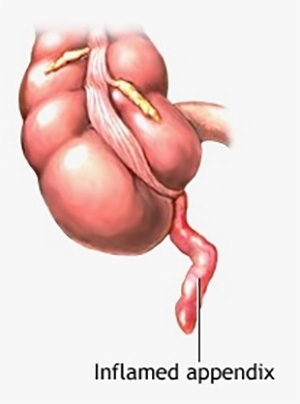
Appendicitis is inflammation of the appendix, a small blind-ended tubular structure attached to the caecum at the junction of the small and large intestines. It most commonly occurs when the appendix becomes blocked by hardened stool (an appendicolith) or swollen lymph tissue. Less commonly, the blockage may be caused by an underlying tumour of the appendix.
Typical symptoms include abdominal pain that often begins around the navel before migrating to the lower right side of the abdomen, together with nausea, loss of appetite, fever and vomiting.
While appendicitis often presents as an acute surgical emergency, some patients may experience intermittent or recurrent episodes of lower abdominal discomfort due to chronic or recurrent inflammation.
Crohn's Disease
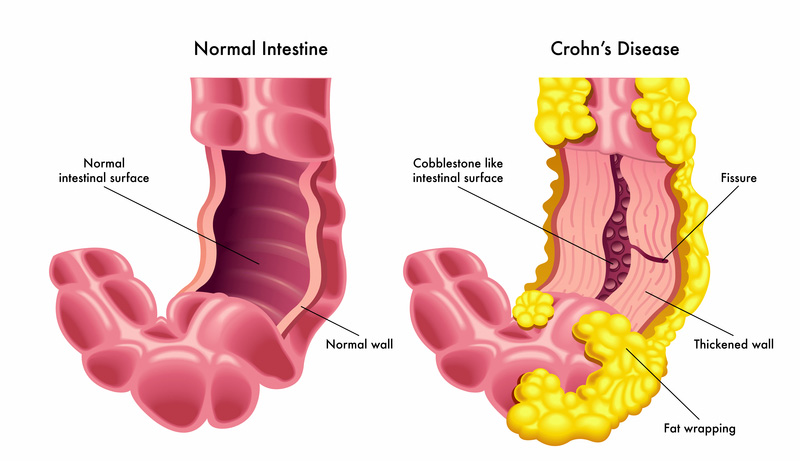
Crohn's disease is a chronic inflammatory bowel disease that can affect any part of the gastrointestinal tract, from the mouth to the anus. However, the most commonly affected site is the terminal ileum, the final part of the small intestine.
Symptoms may include:
- Abdominal pain
- Diarrhoea
- Weight loss
- Fatigue
- Nutritional deficiencies
Most patients are managed by gastroenterologists using medication. However, surgery may occasionally be required for complications such as strictures, fistulas, abscesses or bowel obstruction.
Meckel's Diverticulum
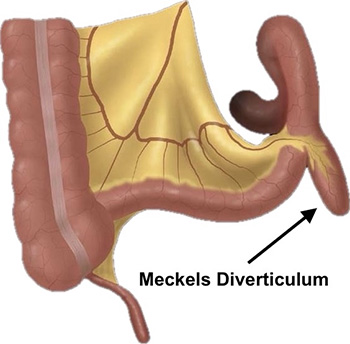
Meckel's diverticulum is a congenital pouch arising from the small intestine and is present in approximately 2% of the population.
Most people never experience symptoms. However, it can occasionally cause:
- Bleeding
- Inflammation
- Abdominal pain
- Bowel obstruction
Symptomatic Meckel's diverticula are usually treated surgically.
Small Bowel Intussusception
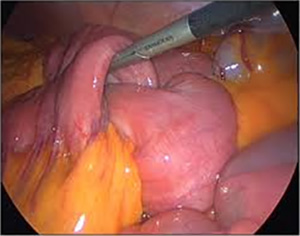
Intussusception occurs when one segment of intestine telescopes into an adjacent segment of bowel. While commonly seen in children, it is relatively uncommon in adults and often occurs because of an underlying abnormality acting as a lead point, such as a polyp, tumour, Meckel's diverticulum or scar tissue.
Symptoms may include intermittent abdominal pain, nausea, vomiting or bowel obstruction.
Treatment depends on the cause, but surgery is often recommended in adults to correct the intussusception and address any underlying abnormality.
Internal Hernias
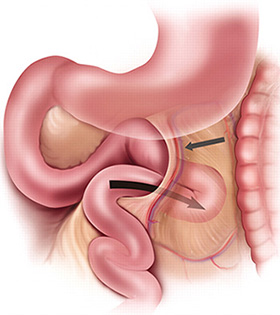
An internal hernia occurs when a segment of small intestine slips through an abnormal opening within the abdominal cavity. They may occur congenitally or develop after previous abdominal surgery, particularly gastric bypass surgery.
Symptoms can include intermittent abdominal pain, nausea, vomiting or episodes of bowel obstruction. Because the bowel can become trapped and lose its blood supply, internal hernias may occasionally require urgent surgical treatment.
Small Bowel Tumours
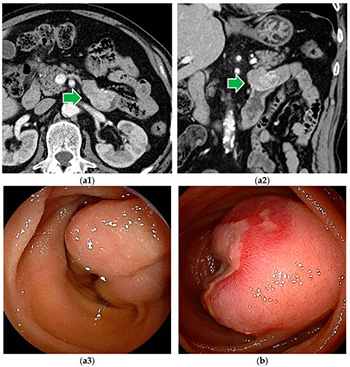
Tumours of the small intestine are uncommon.
They may be benign or malignant and include:
- Gastrointestinal Stromal Tumours (GIST)
- Neuroendocrine Tumours (NETs)
- Adenocarcinoma
- Lymphoma
Many small bowel tumours are discovered incidentally during imaging or investigation of abdominal symptoms.
Treatment depends on the type, size and location of the tumour and often involves surgical removal.
Small Bowel Diverticular Disease
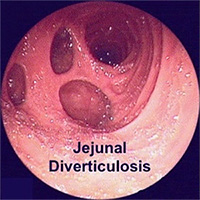
Small bowel diverticula are pockets that develop in the wall of the intestine.
Most cause no symptoms. Occasionally they may become inflamed, bleed or contribute to bacterial overgrowth and abdominal symptoms.
Superior Mesenteric Artery Syndrome
Superior Mesenteric Artery Syndrome (SMAS) is a rare condition in which part of the duodenum becomes compressed between major blood vessels within the abdomen. Click here to read more.
This may lead to nausea, vomiting, weight loss and difficulty eating.
Most patients are initially treated with nutritional rehabilitation, although surgery is curative if significant symptoms persist.
What Are the Symptoms of Small Intestinal Disease?
Symptoms vary depending on the underlying condition but commonly include:
- Abdominal pain
- Bloating
- Nausea and vomiting
- Diarrhoea
- Weight loss
- Gastrointestinal bleeding
- Iron deficiency anaemia
- Fatigue
- Symptoms of bowel obstruction
Because many of these symptoms overlap with other digestive disorders, specialist assessment is often required to establish an accurate diagnosis.
How Are Small Intestinal Conditions Diagnosed?
Blood Tests
Blood tests may identify anaemia, infection, inflammation or nutritional deficiencies.
CT Scan and MRI
Cross-sectional imaging is often the most useful method for evaluating the small intestine and identifying obstruction, inflammation or tumours.
Capsule Endoscopy
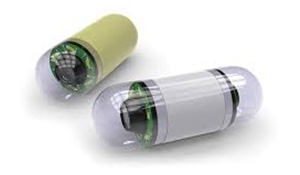
Capsule endoscopy involves swallowing a small camera that captures thousands of images as it passes through the digestive tract.
This allows detailed examination of areas of the small intestine that cannot be reached with standard endoscopy.
Endoscopy and Enteroscopy
Gastroscopy and colonoscopy may help evaluate portions of the small intestine near the stomach or colon. Longer sections of small intestine can be assessed by enteroscopy, which uses specialised endoscopic equipment to examine deeper sections of the bowel.
Diagnostic Laparoscopy
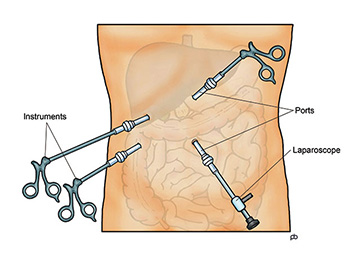
In some cases, a definitive diagnosis cannot be reached despite CT scans, MRI, capsule endoscopy and other non-invasive investigations.
Diagnostic laparoscopy is a minimally invasive keyhole procedure that allows direct inspection of the entire small intestine from the outside. This can identify conditions that may not be apparent on imaging, including adhesions, Meckel's diverticulum, small bowel tumours, internal hernias and areas of inflammation.
The procedure is typically performed as day surgery and may allow treatment of the underlying problem at the same time.
How Are Small Intestinal Conditions Treated?
Treatment depends on the underlying diagnosis.
Observation
Some small bowel lesions discovered incidentally may be suitable for surveillance rather than immediate treatment.
Medical Treatment
Many inflammatory conditions, particularly Crohn's disease, are managed primarily with medication under the care of a gastroenterologist.
Surgery
Surgery may be recommended when:
- A bowel obstruction develops
- A tumour is present
- Crohn's disease causes complications
- Bleeding occurs
- A symptomatic Meckel's diverticulum is identified
- There is concern regarding bowel viability or perforation
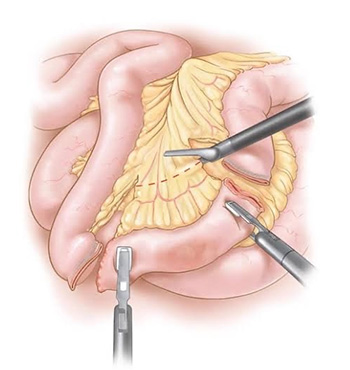
The majority of small bowel operations are performed using minimally invasive laparoscopic (keyhole) techniques.
Depending on the condition, treatment may involve removal of a short segment of intestine, division of adhesions or scar tissue, repair of a hernia or removal of a tumour.
What Results Can Be Expected?
The outlook depends on the underlying condition.
Many small intestinal disorders can be successfully treated, particularly when diagnosed early.
For patients requiring surgery, minimally invasive techniques often allow shorter hospital stays, less pain and faster recovery compared with traditional open surgery.
When Should I Seek Specialist Advice?
You should seek specialist assessment if you experience:
- Persistent or unexplained abdominal pain
- Recurrent bowel obstruction
- Unexplained weight loss
- Gastrointestinal bleeding
- Iron deficiency anaemia
- A small bowel lesion identified on imaging
- Ongoing symptoms despite previous investigations
A thorough assessment can help determine the cause of your symptoms and whether medical treatment, surveillance or surgery is the most appropriate option.
Frequently Asked Questions
Can you live normally after part of the small intestine is removed?
Yes. In most cases, removal of a short segment of small intestine has negligible impact on digestion or nutrient absorption.
Are small bowel tumours common?
No. Small bowel tumours are relatively uncommon compared with cancers of the stomach or colon.
Can small bowel surgery be performed laparoscopically?
Yes. Many small intestinal procedures can be performed using minimally invasive keyhole surgery.
What is capsule endoscopy?
Capsule endoscopy involves swallowing a pill-sized camera that takes photographs of the small intestine as it passes naturally through the digestive tract.
Is bowel obstruction an emergency?
It can be. Severe abdominal pain, vomiting, abdominal distension and inability to pass wind or bowel motions require urgent medical assessment.