Liver Tumours
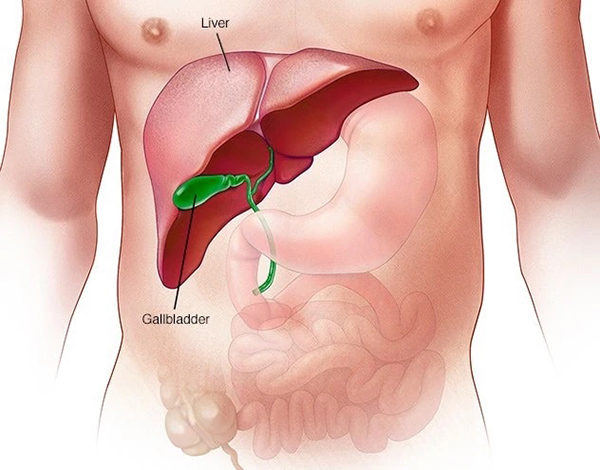
What Are Liver Tumours?
A liver tumour is an abnormal growth of cells within the liver. Liver tumours can be either benign (non-cancerous) or malignant (cancerous).
Fortunately, most liver tumours are benign. Others may require monitoring, biopsy, surgery or other specialised treatments depending on their size, appearance and behaviour.
Liver tumours are often discovered incidentally during ultrasound, CT or MRI scans performed for unrelated reasons.
What Types of Liver Tumours Occur?
Benign (Non-Cancerous) Liver Tumours
Common benign liver tumours include:
- Haemangioma – a collection of blood vessels present in approximately 8% of the population
- Focal Nodular Hyperplasia (FNH) – a common benign lesion, particularly in women
- Hepatic Adenoma
Most benign liver tumours do not require surgery and can be safely monitored. Surgery is generally reserved for cases where there is diagnostic uncertainty, the lesion is causing symptoms, or there is a risk of bleeding.
Malignant (Cancerous) Liver Tumours
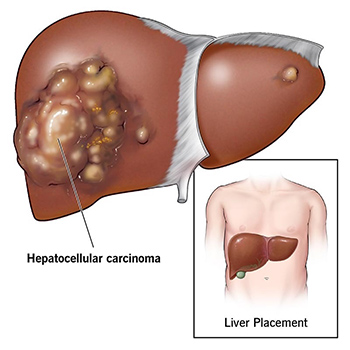
Cancerous tumours may either originate in the liver or spread to the liver from another organ.
The most common malignant liver tumours include:
- Hepatocellular Carcinoma (primary liver cancer)
- Cholangiocarcinoma (bile duct cancer)
- Secondary or metastatic tumours, particularly from bowel, stomach, pancreatic and neuroendocrine cancers
What Causes Liver Tumours?
The causes depend on the type of tumour.
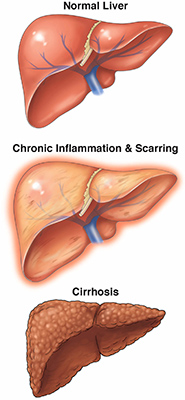
Risk factors for primary liver cancer include:
- Cirrhosis
- Chronic hepatitis B or hepatitis C infection
- Excessive alcohol consumption
- Fatty liver disease
- Obesity and diabetes
Many benign liver tumours occur in otherwise healthy individuals and have no identifiable cause.
What Are the Symptoms?
Many liver tumours cause no symptoms and are discovered incidentally.
When symptoms do occur, they may include:
- Pain or discomfort in the upper abdomen
- A feeling of fullness or pressure beneath the ribs
- Unexplained weight loss
- Fatigue
- Loss of appetite
- Nausea
- Jaundice (yellowing of the skin or eyes)
Symptoms are often related to the size and location of the tumour rather than whether it is benign or malignant.
How Are Liver Tumours Diagnosed?
Blood Tests
Blood tests help assess liver function and may identify tumour markers associated with certain liver cancers.
CT Scan and MRI
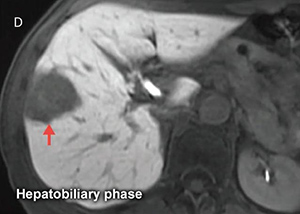
CT and MRI provide the most useful information about the size, location and characteristics of a liver tumour.
In many cases, modern imaging can accurately distinguish between different types of liver tumours without the need for biopsy.
Ultrasound
Many liver tumours are first identified incidentally during an ultrasound performed for unrelated symptoms.
Biopsy
A biopsy is occasionally required when the diagnosis remains uncertain after imaging.
A small tissue sample is examined by a pathologist to determine the exact nature of the lesion.
How Are Liver Tumours Treated?
Treatment depends on the type of tumour, its size, location and whether it is causing symptoms.
Observation
Many benign liver tumours require no treatment and can be safely monitored with periodic imaging.
Surgery
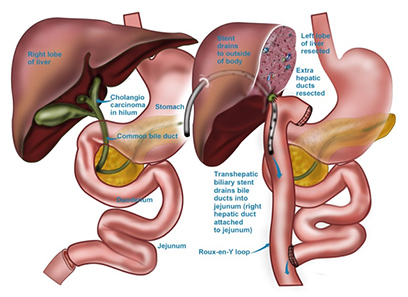
Surgical removal may be recommended when:
- A tumour is causing symptoms
- The diagnosis is uncertain
- There is concern about cancer
- The tumour has the potential to grow or rupture
Many liver operations can now be performed using minimally invasive (keyhole) techniques in carefully selected patients.
The extent of liver resection depends on the location, size and number of tumours. Fortunately, the liver has a remarkable ability to regenerate, allowing up to 70% of the organ to be safely removed when necessary.
Other Treatments
Depending on the type of tumour, treatment may also include:
- Ablation (destroying the tumour using heat or energy)
- Embolisation procedures performed by interventional radiologists
- Chemotherapy
- Targeted drug therapy
- Immunotherapy
These treatments are often coordinated through a multidisciplinary team.
What Results Can Be Expected?
The outlook varies considerably depending on the type of liver tumour.
Most benign liver tumours have an excellent prognosis and never cause significant health problems.
For malignant tumours, outcomes depend on:
- The type of cancer
- The size and number of tumours
- Whether the tumour can be removed surgically
- Whether the cancer has spread elsewhere
Early diagnosis generally provides the greatest range of treatment options.
When Should I Seek Specialist Advice?
You should seek specialist assessment if:
- A liver tumour has been identified on imaging
- You have unexplained upper abdominal pain
- You have unexplained weight loss
- You develop jaundice
- You have abnormal liver imaging that requires clarification
Many liver lesions prove to be harmless. However, specialist assessment is important to establish an accurate diagnosis and determine whether treatment or surveillance is required.
Frequently Asked Questions
Are most liver tumours cancerous?
No. Most liver tumours are benign and are discovered incidentally during imaging performed for unrelated reasons.
Do all liver tumours require surgery?
No. Many benign liver tumours can be safely monitored without intervention.
Can liver tumours be removed with keyhole surgery?
Yes. Many liver tumours can be removed using minimally invasive techniques, depending on their size and location.
Can a liver tumour be diagnosed without a biopsy?
Often yes. Modern CT and MRI scans can frequently identify the nature of a liver tumour without the need for biopsy.
What should I do if a liver lesion is found on a scan?
Most liver lesions are not dangerous, but specialist assessment is important to determine exactly what type of lesion is present and whether any treatment or follow-up is required.