Gallstones
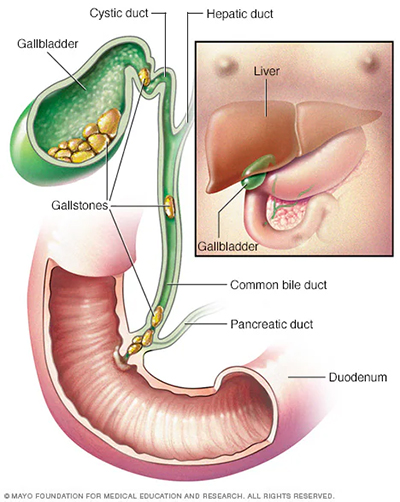
Gallstones are stones that form within the gallbladder, a small pear-shaped organ located beneath the liver. The gallbladder stores bile, a digestive fluid produced by the liver that helps break down dietary fats. There are two main types of gallstones: cholesterol stones and pigment stones.
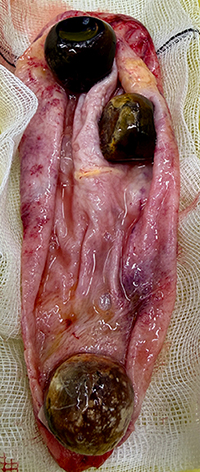
Cholesterol stones are the most common type and develop when the normal balance of substances within bile, including cholesterol, bile salts, phospholipids and bilirubin, becomes disrupted. This causes the bile to become "lithogenic", meaning it is prone to forming crystals. Over time, these crystals accumulate and grow into stones.
Pigment stones are composed primarily of calcium bilirubinate, a breakdown product of red blood cells. They are typically dark brown or black in colour and are more commonly seen in patients with chronic haemolytic disorders, liver disease, biliary infection or cirrhosis.
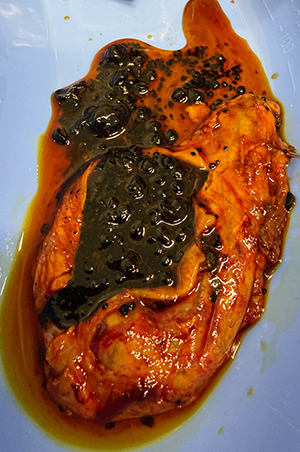
Gallstones can range in size from tiny grains of sand or sludge to large stones several centimetres in diameter. Some people develop a single stone, while others may develop many.
Gallstones are extremely common, affecting around 1 in 5 adults. The risk increases with age and is higher in women, especially during pregnancy, people who are overweight, those with a family history of gallstones, and individuals who have experienced rapid weight loss.
What Problems Can Gallstones Cause?
Many gallstones cause no symptoms and are discovered incidentally during imaging performed for other reasons.
However, gallstones commonly cause chronic irritation and inflammation of the gallbladder lining, known as chronic cholecystitis. The associated symptoms are often subtle and develop gradually, meaning they frequently go unrecognised. Common symptoms include upper abdominal discomfort, bloating, nausea, indigestion, food intolerance and a general feeling of fatigue or being unwell.
Gallstones may also temporarily obstruct the outlet of the gallbladder, causing acute biliary colic. This typically presents as a sudden episode of severe upper abdominal pain, usually beneath the right ribs or in the upper abdomen, often radiating to the back or right shoulder blade. The pain commonly occurs 20 to 60 minutes after eating, particularly following a fatty meal, and is frequently accompanied by nausea.
If the obstruction persists beyond approximately 12hrs, the gallbladder may become acutely inflamed and infected, a condition known as acute cholecystitis. This usually causes severe, persistent pain, fever and significant illness, often requiring hospital admission, intravenous antibiotics and surgery.
Less commonly, gallstones can migrate into the main bile duct and cause serious complications, requiring urgent medical care:
- Obstructive jaundice – blockage of bile drainage from the liver
- Cholangitis – infection of the bile ducts
- Acute pancreatitis – inflammation of the pancreas caused by blockage of the pancreatic duct
Is the Gallbladder Necessary?
Although the gallbladder stores bile, it does not produce it. Bile is produced by the liver and flows into the intestine through the bile ducts. The gallbladder simply acts as a bile storage reservoir. While this function may have been important in ancient times when hunter-gatherer humans ate larger, less frequent meals, it is far less relevant in modern life. As a result, it is safe to live without a gallbladder and continue to digest food normally.
Treatment
Dissolution Therapy
Ursodeoxycholic acid is a medication that works by reducing the cholesterol content of bile and can gradually dissolve small cholesterol gallstones in patients with a functioning gallbladder. Treatment typically takes 6 to 24 months, and even when successful, stones frequently recur after the medication is stopped.
For this reason, ursodeoxycholic acid is generally reserved for patients who:
- Are poor surgical candidates
- Have small cholesterol stones
- Decline surgery
- Require prevention of gallstones during rapid weight loss in selected situations
It is ineffective for most pigment stones, heavily calcified stones, large stones, or patients with recurrent biliary colic, cholecystitis, pancreatitis or bile duct stones.
In modern practice, for symptomatic gallstones, laparoscopic cholecystectomy remains the only reliable definitive treatment.
Cholecystectomy
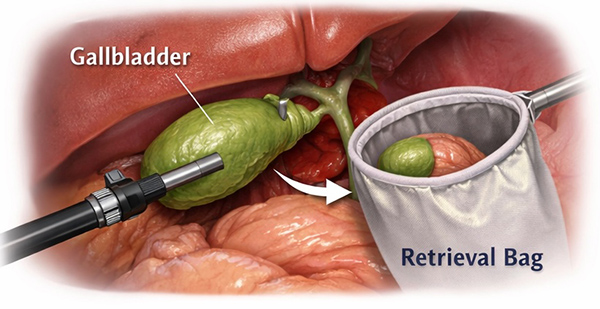
Once gallstones become symptomatic, the only reliable long-term treatment is surgical removal of the gallbladder, known as a laparoscopic cholecystectomy.
Gallbladder removal eliminates the source of the stones and prevents further episodes of biliary colic, cholecystitis, pancreatitis and other gallstone-related complications. The operation is performed using laparoscopic keyhole surgery and is one of the most commonly performed and successful abdominal procedures worldwide.
Click here to read more.