Laparoscopic Cholecystectomy (Gallbladder Removal)
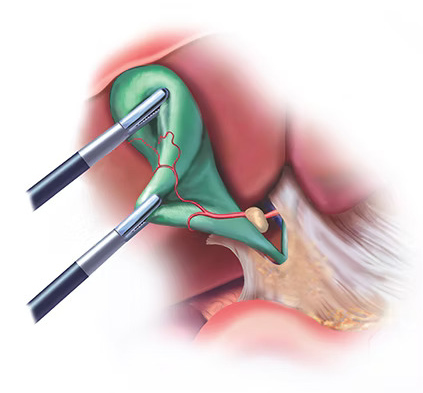
What Is a Laparoscopic Cholecystectomy?
A laparoscopic cholecystectomy is a minimally invasive keyhole operation to remove the gallbladder. It is the standard treatment for symptomatic gallbladder disease, including gallstones, gallbladder inflammation, and selected gallbladder polyps.
The gallbladder stores bile produced by the liver to aid digestion. While it serves as a storage reservoir, it is not required for normal digestion. Read more about gallbladder conditions here.
How Is the Procedure Performed?
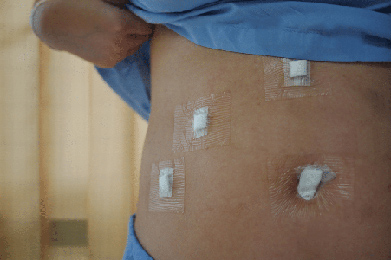
The operation is performed under a general anaesthetic using four small incisions in the abdomen and typically takes around 60 minutes.
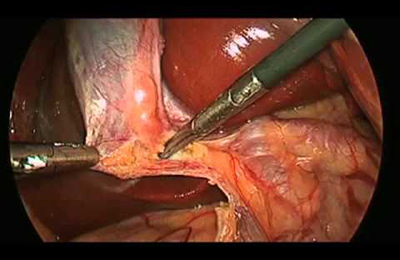
During surgery, the abdomen is inflated with carbon dioxide gas to create a working space, allowing a camera and specialised instruments to be inserted. The gallbladder is separated from surrounding structures, the cystic duct and artery are divided, and the gallbladder is removed through the umbilical incision.
A key safety step is achieving the critical view of safety, which confirms the anatomy before any structures are divided and helps minimise the risk of bile duct injury.
Routine Intraoperative Cholangiography
An intraoperative cholangiogram is routinely performed during surgery. This specialised X-ray maps the bile ducts, confirms the anatomy, and checks for stones that may have migrated into the main bile duct.
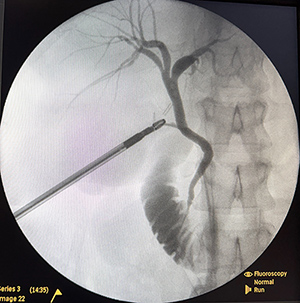
A small catheter is inserted into the cystic duct and contrast dye is injected while live X-ray images are taken.
Routine cholangiography:
- Detects bile duct stones
- Identifies anatomical variations
- Helps reduce the risk of bile duct injury
- Confirms normal, unobstructed bile flow into the intestine
If bile duct stones are identified, they usually require removal with a second procedure called an endoscopic retrograde cholangiopancreatography (ERCP), which is typically performed during the same admission.
What If Keyhole Surgery Is Not Possible?
Most operations can be completed laparoscopically. However, severe inflammation, scarring, bleeding, or unusual anatomy may occasionally require conversion to an open operation through a larger incision.
This decision is made solely to maximise patient safety and should not be regarded as a complication.
Are There Alternatives to Surgery?
Many patients ask whether gallstones can be dissolved with medication or broken up using shock wave treatment instead of requiring surgery.
Unfortunately, these approaches have a very limited role and are rarely effective. Medications such as ursodeoxycholic acid (ursodiol) may help prevent gallstone formation in selected situations but are generally ineffective once stones have developed. Shock wave therapy, while effective for some kidney stones, is not effective for gallstones.
Importantly, gallstones usually indicate an underlying diseased gallbladder with chronic inflammation and impaired function. Laparoscopic cholecystectomy remains the most reliable and definitive treatment.
Is Gallbladder Surgery Painful?
As a minimally invasive procedure, laparoscopic cholecystectomy is generally very well tolerated, and most patients are pleasantly surprised by how quickly they recover.
To further minimise discomfort, additional measures are routinely used, including:
- A multi-agent transversus abdominis plane (TAP) block
- Local anaesthetic infiltration into each incision site
- Gentle tissue handling and minimally invasive techniques
- A Valsalva manoeuvre to remove residual carbon dioxide gas at the end of the procedure
Walking is encouraged within hours of surgery, and most patients return home either the same day or the following morning.
Recovery After Surgery
Most patients return to light activities, including driving, within a few days and office-based work within one week.
Temporary symptoms may include:
- Mild abdominal discomfort
- Shoulder tip pain from residual gas
- Bloating or altered bowel habits
- Fatigue during the first one to two weeks
These symptoms usually settle quickly.
What Happens to the Gallbladder After Surgery?
The gallbladder is routinely sent for formal examination by a pathologist after removal.
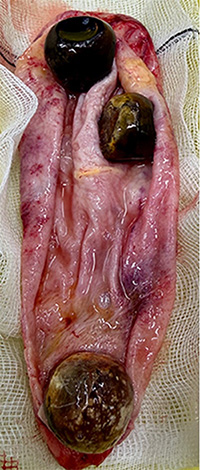
In all patients with gallstones, the gallbladder shows chronic cholecystitis, which is longstanding inflammation and scarring caused by repeated irritation from gallstones.
Many patients are surprised to learn that a gallbladder containing stones is not a healthy organ. Even if symptoms occur only occasionally, the presence of gallstones indicates an underlying diseased gallbladder that is chronically inflamed and functioning poorly.
Life Without a Gallbladder
One of the most common concerns patients have is whether they will need to avoid certain foods, particularly fats and oils, after surgery.
The reassuring news is that most people return to a completely normal diet and lifestyle. After gallbladder removal, bile flows directly from the liver into the intestine instead of being stored in the gallbladder.
Most patients find they can eat a wider variety of foods after surgery because they are no longer limited by symptoms triggered by gallstones.
Many people also report increased energy levels, improved digestion, better sleep, and an overall improvement in wellbeing once the diseased gallbladder has been removed.
What Are the Risks?
Laparoscopic cholecystectomy is a safe and commonly performed procedure, but all surgery carries risks.
Potential complications include:
- Bleeding or infection
- Bile duct injury or bile leak
- Blood clots
- Hernia at the incision sites
- Conversion to open surgery
- Risks associated with general anaesthesia
Your surgeon will discuss these risks and how they apply to your individual circumstances.
Considering Gallbladder Surgery?
For patients with symptomatic gallbladder disease, laparoscopic cholecystectomy offers a safe, effective, and definitive treatment with a high success rate and a relatively quick recovery.
Book a consultation with A/Prof Craig Taylor to discuss your gallbladder symptoms and determine whether gallbladder removal is right for you.